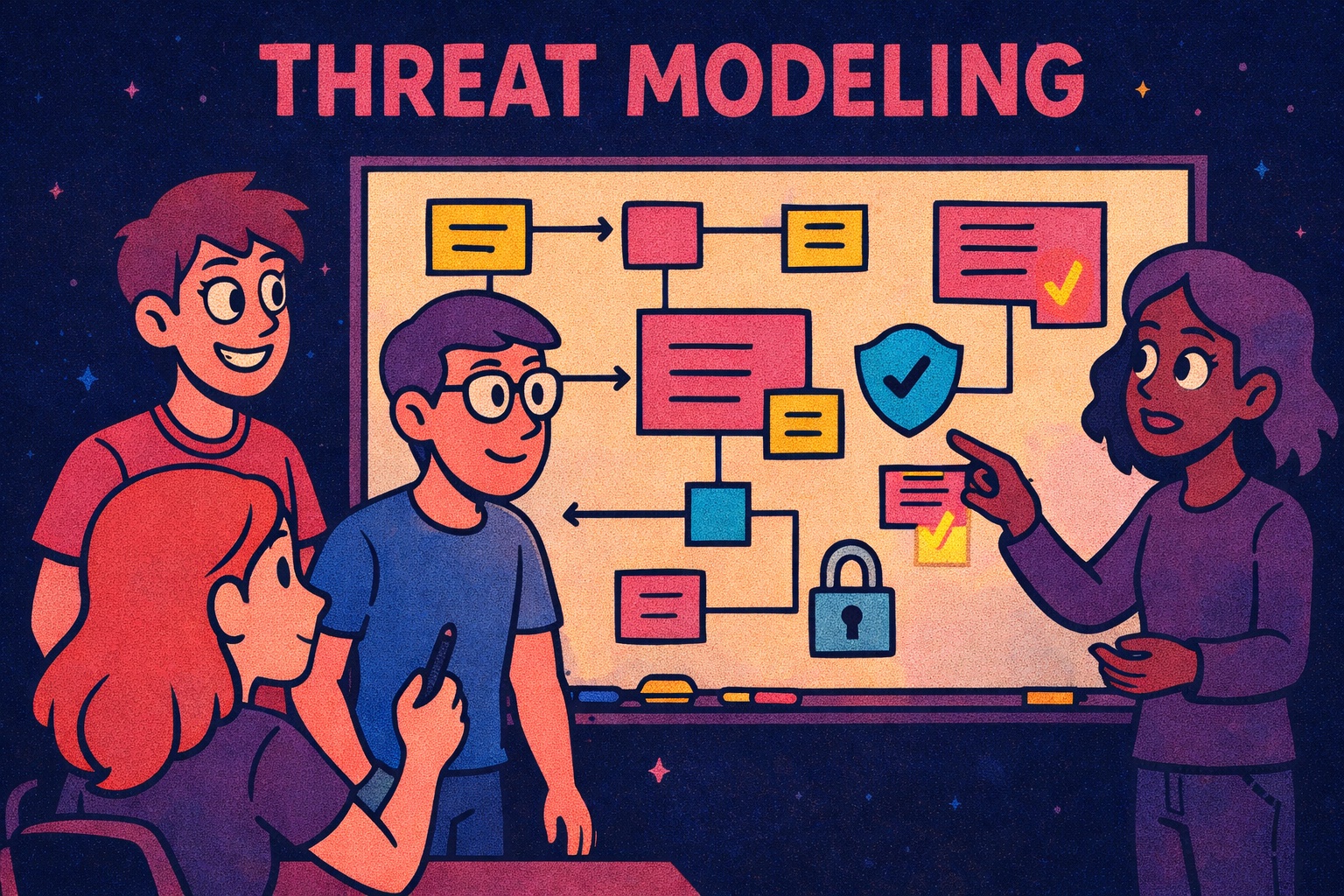
The conversation I have most often with CTOs and development leads at early-stage companies goes something like this: "We know we need to think about privacy. We will get to it when we have more resources."
The problem with that logic is compounding cost. Retrofitting privacy measures into an established product is like rewiring an occupied house. Technically feasible. Profoundly uncomfortable. And significantly more expensive than doing it during construction.
Threat Modeling: Your Privacy Quick-Start
For early-stage development companies, threat modeling offers exceptional value at low overhead. This is not an extended academic exercise consuming weeks of sprint capacity. Contemporary frameworks like LINDDUN (designed for general privacy threats) or PLOT4AI (designed for AI-based tools) provide a quick, pragmatic assessment of your privacy exposure.
Think of threat modeling as risk evaluation made accessible. You identify potential vulnerabilities affecting personal data before they manifest as actual problems. Key questions: Where does personal information flow? Who accesses it? What happens if access becomes compromised? What could go wrong if a feature behaves unexpectedly?
A focused afternoon session with the right people in the room yields actionable insights for your development roadmap. No sprawling policy documents. No six-month rollouts. Just practical direction on what to build in now versus what to add later.
Small Steps, Real Progress
Incremental approaches consistently outperform comprehensive overhauls, particularly when you are resource-constrained. Start with one data pathway. Document one procedure. Deploy one safeguard. These modest advances accumulate meaningfully and signal to regulators and clients that privacy is something you have actually thought about, not something you are scrambling to address after a client asks.
Regulators and enterprise clients are not expecting perfection from early-stage companies. They are looking for evidence of intent and a reasonable plan for improvement. A documented threat model and a handful of implemented controls is a much stronger position than "we have not gotten to it yet."
The appropriate moment to begin is now. The size of the first step is less important than taking it.
If you want help running a threat modeling session or figuring out what your privacy quick-start should look like, reach out.